
AUTHORITY VS. FREEDOM: Caught Between the Need for Order and the Refusal to Give Up Our Rights
We are living through a polycrisis, where multiple disruptions overlap and amplify a shared sense of confusion, insecurity, and uncertainty.

In that climate, a global tension is growing. People want more freedom, but they also want clearer rules, stronger structure, and more authority to restore a feeling of order.
To shed light on this push and pull, BETC is leading a new 2025 Prosumer study (Prosumer Reports), conducted in Q1 2025 with 14,500 adults aged 18+ across 30 countries, in partnership with Market Probe International. The sample includes 18% Prosumers, those leading-edge profiles whose behaviors often anticipate mainstream adoption by 6 to 18 months.
A desire for authority, paired with a crisis of trust
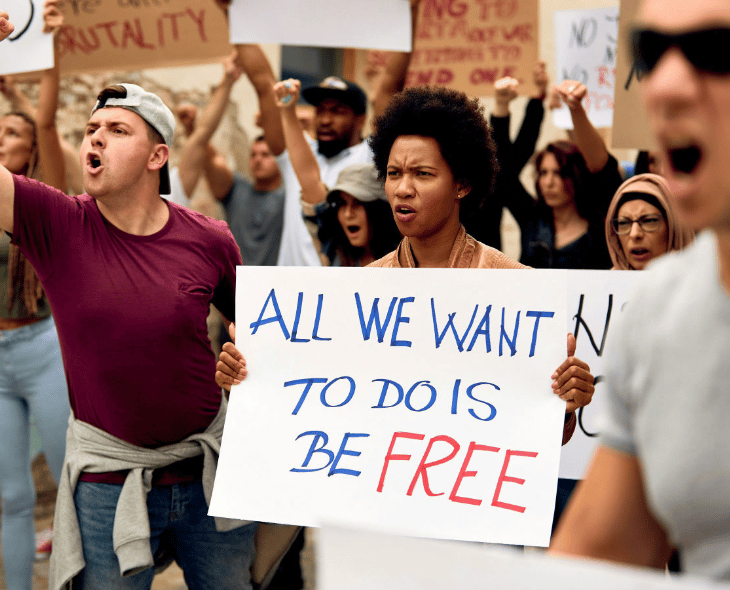
The study reveals a first paradox. Many consumers say they are willing to accept more authority, while at the same time expressing deep mistrust toward the people and institutions meant to enforce it. The appetite for clear answers and certainty is strong, even as trust becomes harder to find.
More strikingly, a meaningful share of opinion is shifting toward tougher forms of governance. Close to four in ten Prosumers believe a strong, authoritarian government can be more effective than a democracy at solving major problems.

Freedom as a core value, control as a reflex
Freedom remains a cornerstone. 83% of Prosumers say they are deeply attached to individual freedom.
Yet that conviction coexists with fear of disorder. 46% of Prosumers believe their country would be better off if the government exercised more authority. The idea that “too much freedom” can lead to chaos is also gaining ground, particularly among younger respondents.
Targeted restrictions, especially around safety and immigration
When people ask for tougher rules, they do not ask for them everywhere. The strongest demand for regulation focuses on safety and immigration. 61% of Prosumers want stricter laws on security, and 43% on immigration. At the same time, a significant share say they would accept reduced freedom if it guaranteed safety.
Freedom of speech, the global red line
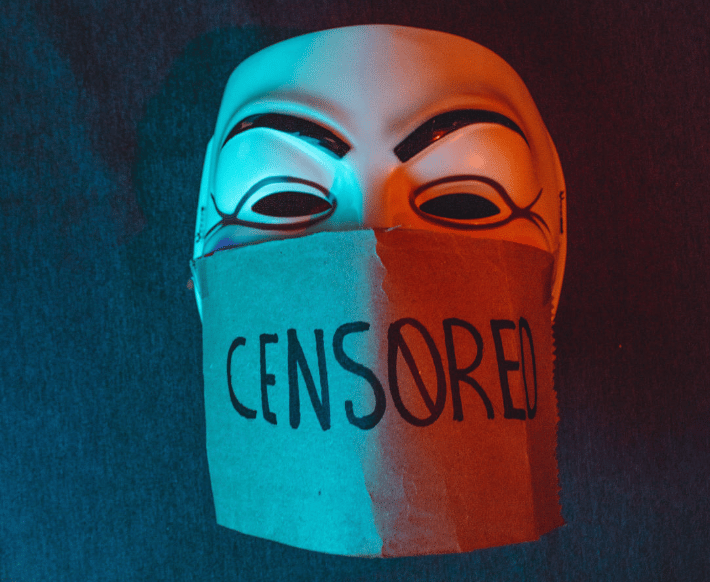
Even amid the search for order, some freedoms remain non-negotiable. The clearest one is freedom of speech, cited as the most essential by 65% of Prosumers.
But views split when it comes to limits. A majority believe freedom of speech ends where it provokes or offends. On internet regulation, societies are almost evenly divided between those who see it as necessary and those who see it as censorship.
What this means for brands
In a world that asks for more control while refusing to surrender fundamental freedoms, brands are walking a tightrope. The study suggests they can become stabilizing reference points when traditional figures of trust are missing, but only if they offer a clear and credible vision of a more secure future.
Pressure is also rising around influence ecosystems and corporate responsibility. 71% of Prosumers want stricter regulation of what influencers are allowed to do. 79% believe brands should be banned from selling products that are harmful to health, with strong support for banning advertising for junk food.
To learn more or speak with the team behind the study: Sébastien Houdusse (Global Strategy Director) - contact details are provided in the report.